
Overnight stays outdoors
In the national park
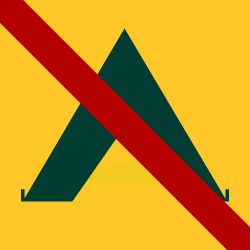
Camping and overnight stays outdoors are generally prohibited in the national park.
There is one exception for climbers: from 16 June to 31 January, overnight stays are permitted at 58 designated bivouacs, called Boofen, outside the core zone in direct connection with rock climbing, provided that the protective purpose of the national park is not impaired. This regulation is a recognition of the long tradition of climbing in Saxony.
However, from 1 February to 15 June, overnight stays in the open air are completely prohibited in order to protect endangered and disturbance-sensitive animal species during the breeding and nesting season.
All official bivouac sites are marked with a sign and are located outside the core zone. Overnight stays in other areas of the national park are strictly prohibited.

In the landscape protection area
In the Saxon Switzerland Landscape Conservation Area, spending the night outdoors (bivouacking) is generally permitted, but camping is prohibited.
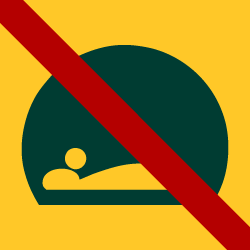
This does not apply to nature conservation areas (in German: Naturschutzgebiet), for example the Pfaffenstein. Both camping and bivouacking are prohibited there.
Along the Forststeig trekking route, there are additional overnight accomodation options:

Bivouac areas: From 4 pm to 10 am on the next day, up to 5 small tents may be erected here, and protection huts offer room for a small number of persons.

Hiking huts: More comfortable, but rustic as well. It is not allowed to erect tents in the vicinity of these huts.
For both the hiking huts as well as the bivouac areas, a ticket is required. These tickets can be purchased on the Forststeig page as well as from partners. More information is available on the Forststeig page.
Bivouacking and protecting nature

The increase in the number of people camping, especially outside of authorised bivouacking areas, as well as forest fires caused by illegal campfires and increasing amounts of rubbish in the national park are clear signs that a breaking point has been reached.
The growing number of nature lovers who use the area for bivouacking is increasing the pressure on the sensitive natural environment. Whether this exception can continue to exist in the national park depends crucially on the behaviour of each individual. Leave the place as you found it, if possible even in better condition, or switch to alternative accommodation. We and nature thank you!
Rules for bivouacking
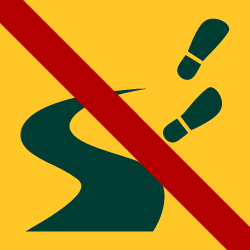
Access to the national park is only permitted on the existing paths to give animals and plants protected space and avoid erosion damage. This still applies while bivouacking.

Take your trash back to the next recycling bin, including tissues and leftover food.
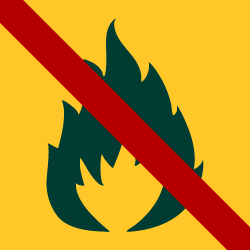
Smoking and any type of fire are prohibited. Campfires are only permitted at the designated fireplaces.
Noise is a major disturbance to wildlife, especially at night.